
Sprache | Language | בחירת שפה
Since 1556, the “Ernestinische Landesordnung”, the legal code of the Ernestine duchies, had prohibited Jews from residing in Coburg. This began to change during the Age of Enlightenment, although it was not until the early 19th century that the first Jews sought permission to settle in Coburg. In 1806, the brothers Joseph and Salomon Simon were granted the right to establish a household and a business in Coburg. Duke Franz Friedrich Anton of Coburg issued a letter of protection for them, guaranteeing freedom of religion, trade, and residence. In return, the Simon brothers sent their children to state schools, adopted German surnames, and refrained from wearing traditional Jewish beards – a condition explicitly imposed by the authorities. In addition, they paid the duke an annual tax of 300 guilders.
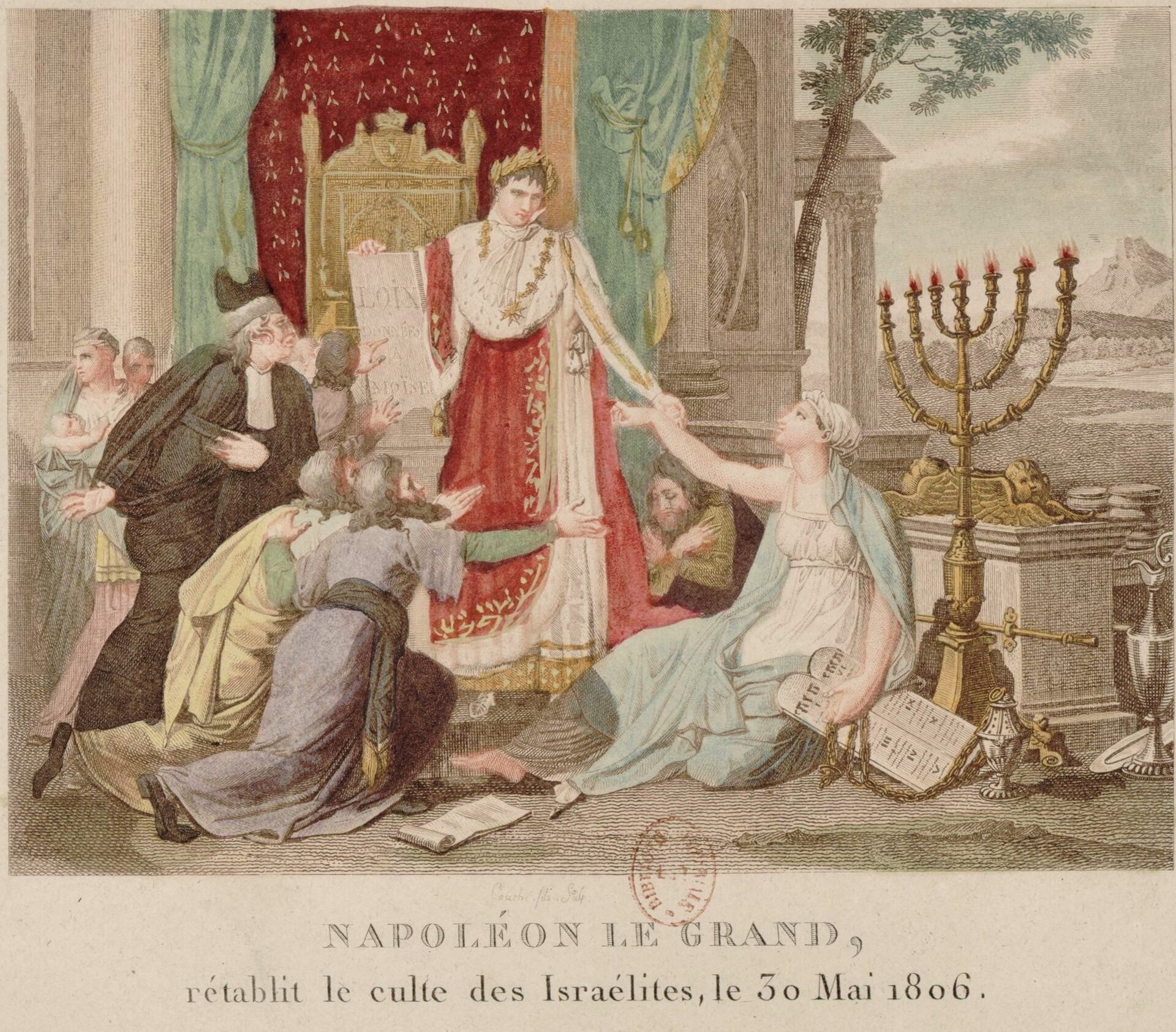
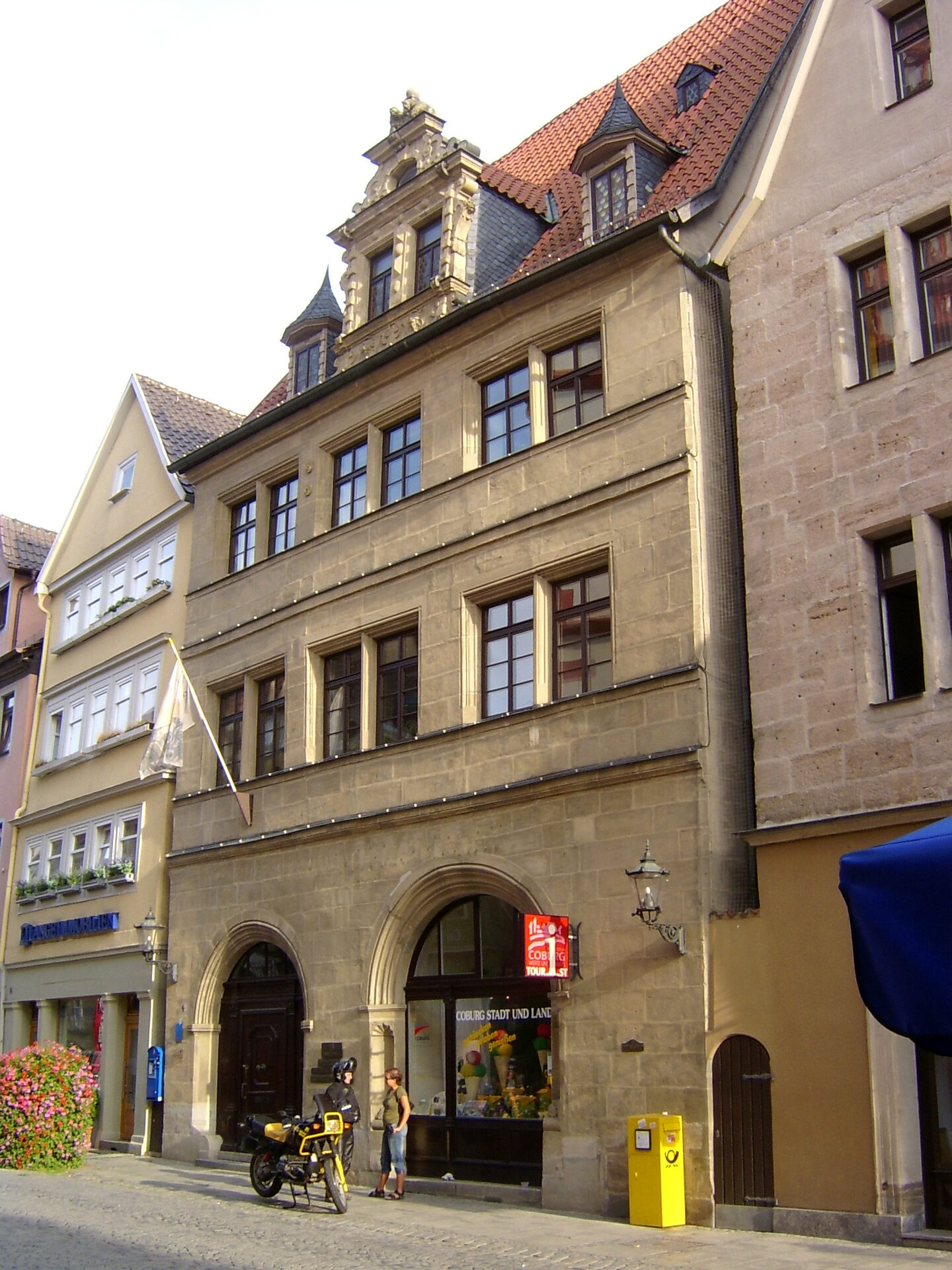
The immigration of Jewish families marked a brief liberal phase in Coburg’s history. Anti-Jewish sentiments began to take hold again as early as 1809. The town council and the guilds were particularly opposed to the Jewish settlement, resulting in significant restrictions. Only three Jewish families were allowed to live in the town. The number of Jewish businesses and households also remained limited to three. Furthermore, the ducal government imposed trade restrictions on Jewish livestock and textile merchants between 1815 and 1821. The town and guilds made life as difficult as possible for the Jewish residents in Coburg.
A fundamental change occurred in the 1840s. From 1837 onwards, the development of a German domestic market rendered many trade restrictions obsolete. Laws that stood in the way of this development had been repealed by 1858. Likewise, the strict rules on immigration and residence in Coburg had lost their effectiveness due to numerous legal loopholes. For instance, temporary residence permits were issued and the ban on buying property was circumvented by using Christian intermediaries. In particular, Duke Ernst I and his government supported the Jewish population against the anti-Jewish town authorities. As a result, the town council had abandoned its discriminatory stance by 1855.
With the introduction of the Frankfurt Constitution in 1849, Jews in Coburg were granted equal legal status. The Jewish merchant Moritz Friedmann was granted full citizenship by the town as early as 1850. In the years that followed, further anti-Jewish laws were repealed under Duke Ernst II of Saxe-Coburg and Gotha. The final step was the introduction of freedom of trade and freedom of establishment in 1863.
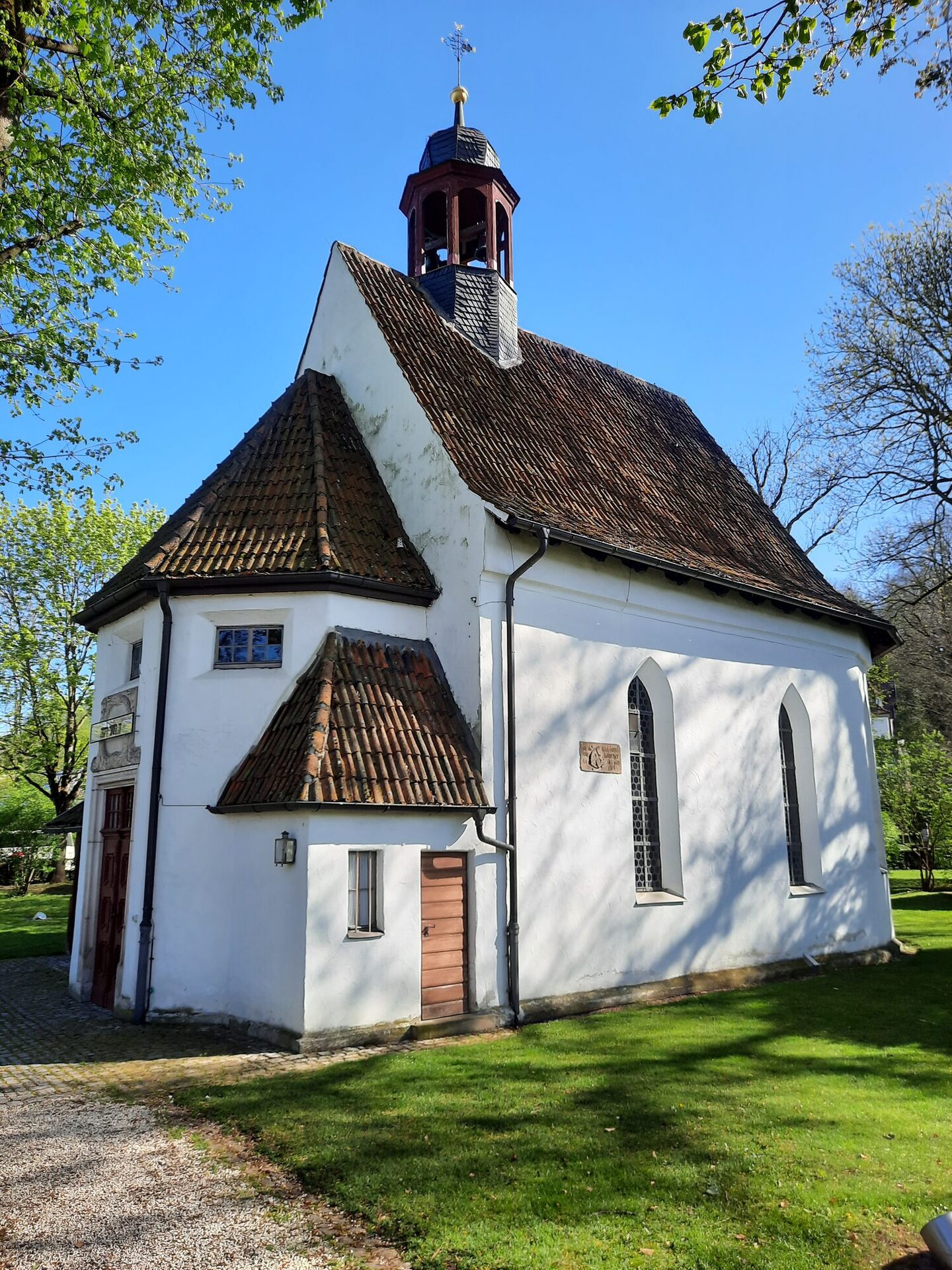
The abolition of the guilds in 1859 and the onset of industrialisation around 1858/59 further encouraged Jewish migration to Coburg. By 1869, the Jewish population had increased to 68 and the desire for their own religious institutions soon developed within this community. Thus, a Jewish religious community was formed in 1873. At the same time, a Jewish cemetery was established on Glockenberg hill, and the Nikolaus Chapel in the southern part of the town was converted into a synagogue. The community also employed a preacher, a religious teacher, and a shochet (ritual slaughterer).
Trade remained the primary economic sector for Coburg’s Jews, in which they excelled with innovative ideas. In 1875, merchant Sebald Silberstein opened the first branch of a major men’s fashion shop in Coburg. The arrival of the Jewish firm H. & C. Tietz in 1886 marked the beginning of the department store era in Coburg. This development reached its peak with the opening of the Conitzer department store in 1908, a building of metropolitan architectural style with modern technical features such as a passenger lift. From 1872, Jews also became progressive manufacturers, particularly in the manufacture of furniture and wickerwork.
Social advancement was of great importance to Coburg’s Jewish citizens. This was achieved through education, amongst other means. From 1877 onwards, many Jewish pupils attended the town’s higher educational institutions. Many went on to study medicine or law and later returned to their hometown. By the early 20th century, there were three Jewish lawyers and seven Jewish doctors with their own practices in Coburg. Hard work and diligence also paved the way to social advancement. This is evident in the biography of the grain merchant Jacob Mayer, who turned a small seed trading business into a nationwide company. In recognition of his success, he became the only Jewish resident of Coburg to be raised to the nobility in 1889.
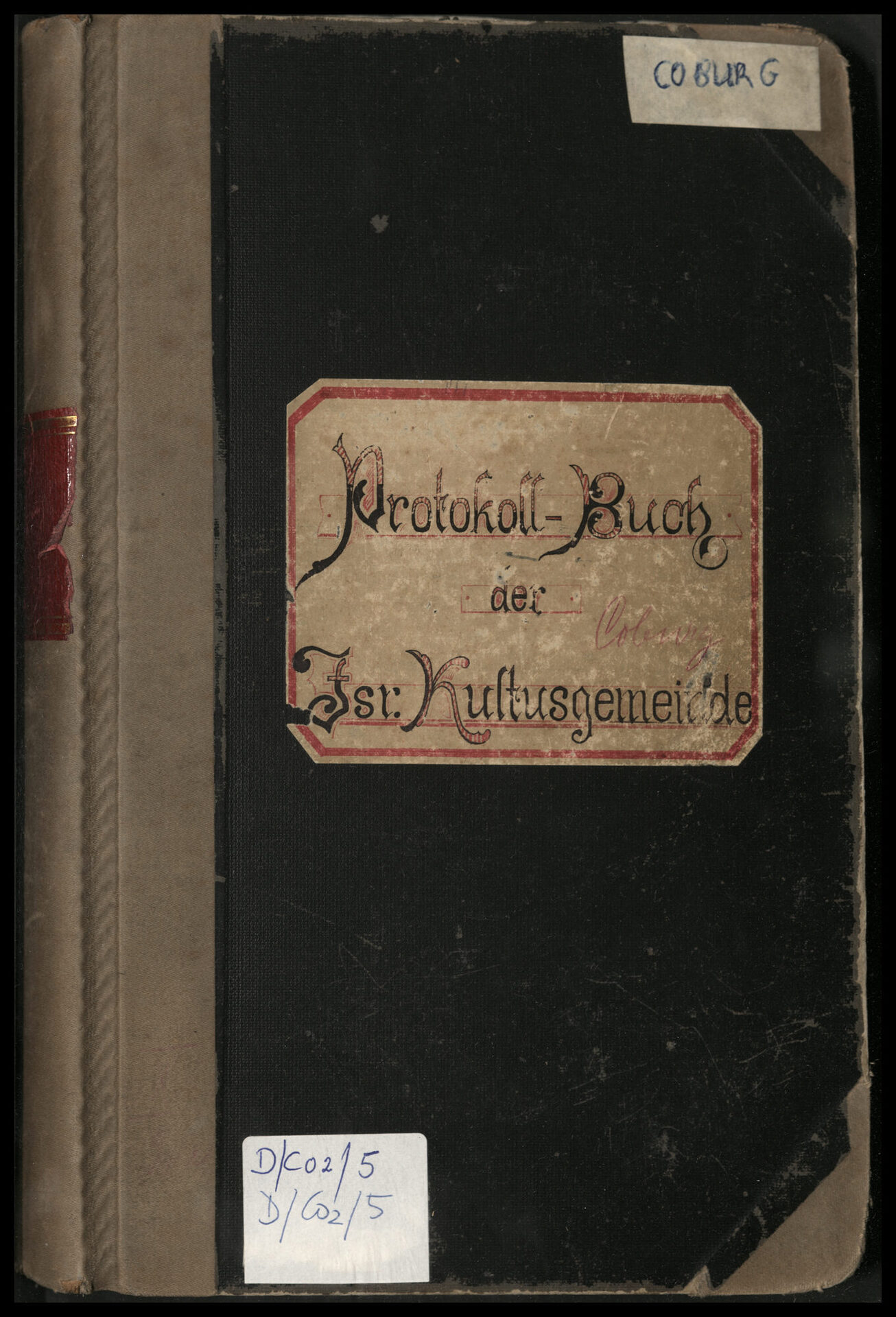
From the last third of the 19th century onwards, Jews also endeavoured to become part of the town’s society. Within one or two generations, they had achieved an above-average level of integration into bourgeois society, which became apparent by their adoption of a bourgeois lifestyle, reflected in their housing conditions and political and social involvement. Many Jews contributed to the common good, donated to the sick and poor or participated in various political bodies, charitable associations or industrial organisations.
On the eve of the First World War, Coburg's 313 Jews had integrated into the town’s society and were, for the most part, socially accepted. Naturally, some of them went to the front after the outbreak of war in 1914 to fight for the German fatherland. Six never returned home. They are still commemorated today in the Jewish cemetery and in the war memorial in the arcades on Coburg’s Schlossplatz. Jewish livestock traders also played a crucial role during the war in ensuring the supply of meat to both the army and the civilian population.
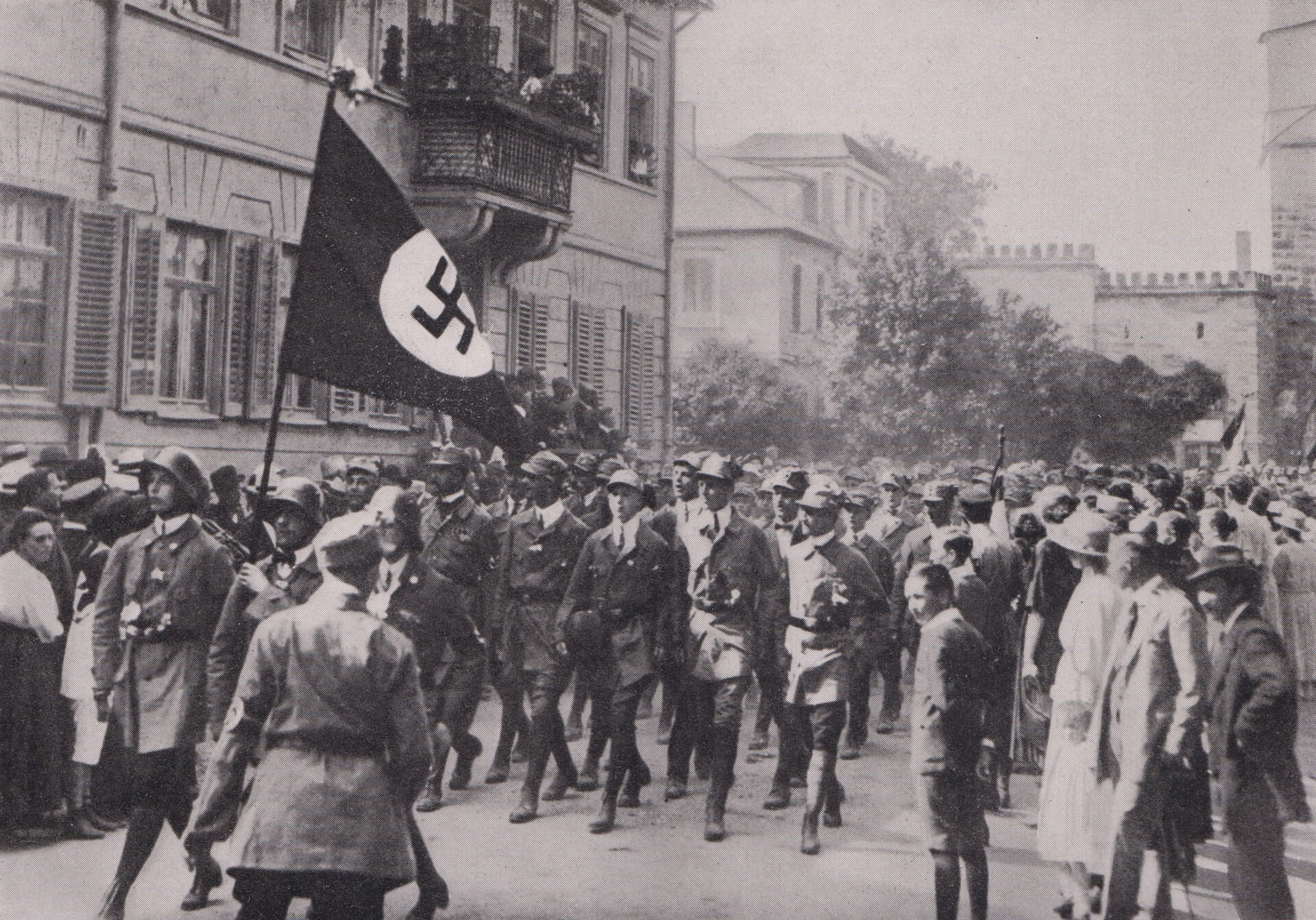
After the end of the war, the mood towards Jews changed abruptly. Many people in Coburg blamed them for Germany’s defeat and the ensuing political and economic chaos. Anti-Semitic propaganda was spread through leaflets, newspaper articles, posters, and public speeches from 1919 onwards. Tensions first threatened to boil over in 1922. Sturmabteilung (SA) members threatened to kill Abraham Friedmann, the Jewish general manager of the Großmann meat processing factory, during the “Third German Day” because he had allegedly paid left-wing counter-demonstrators. Friedmann thus became the main enemy of the local Nazi Party and its leader Franz Schwede. The conflict between the two culminated in 1929 when Schwede was dismissed from municipal service at Friedmann's instigation.
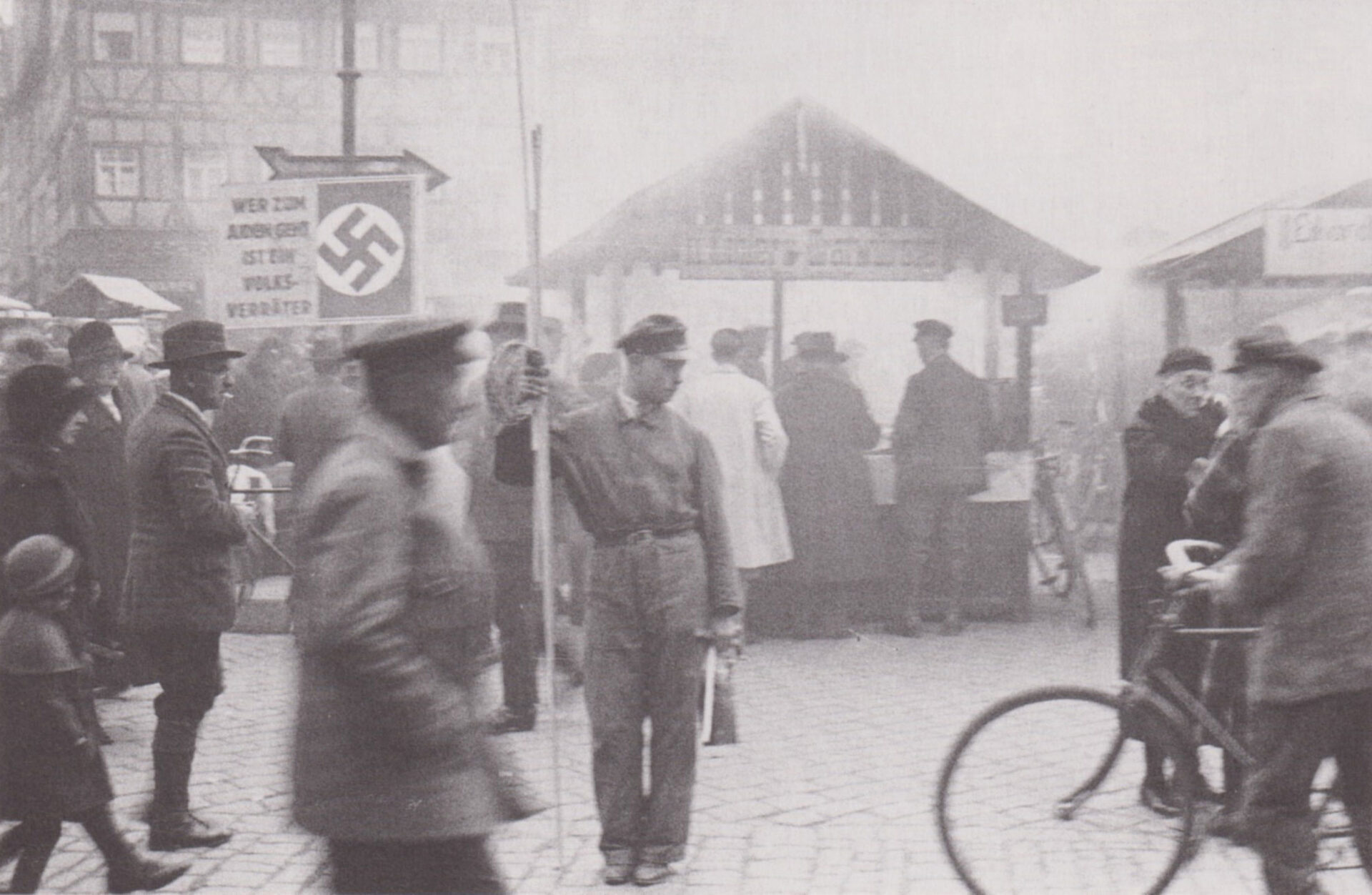
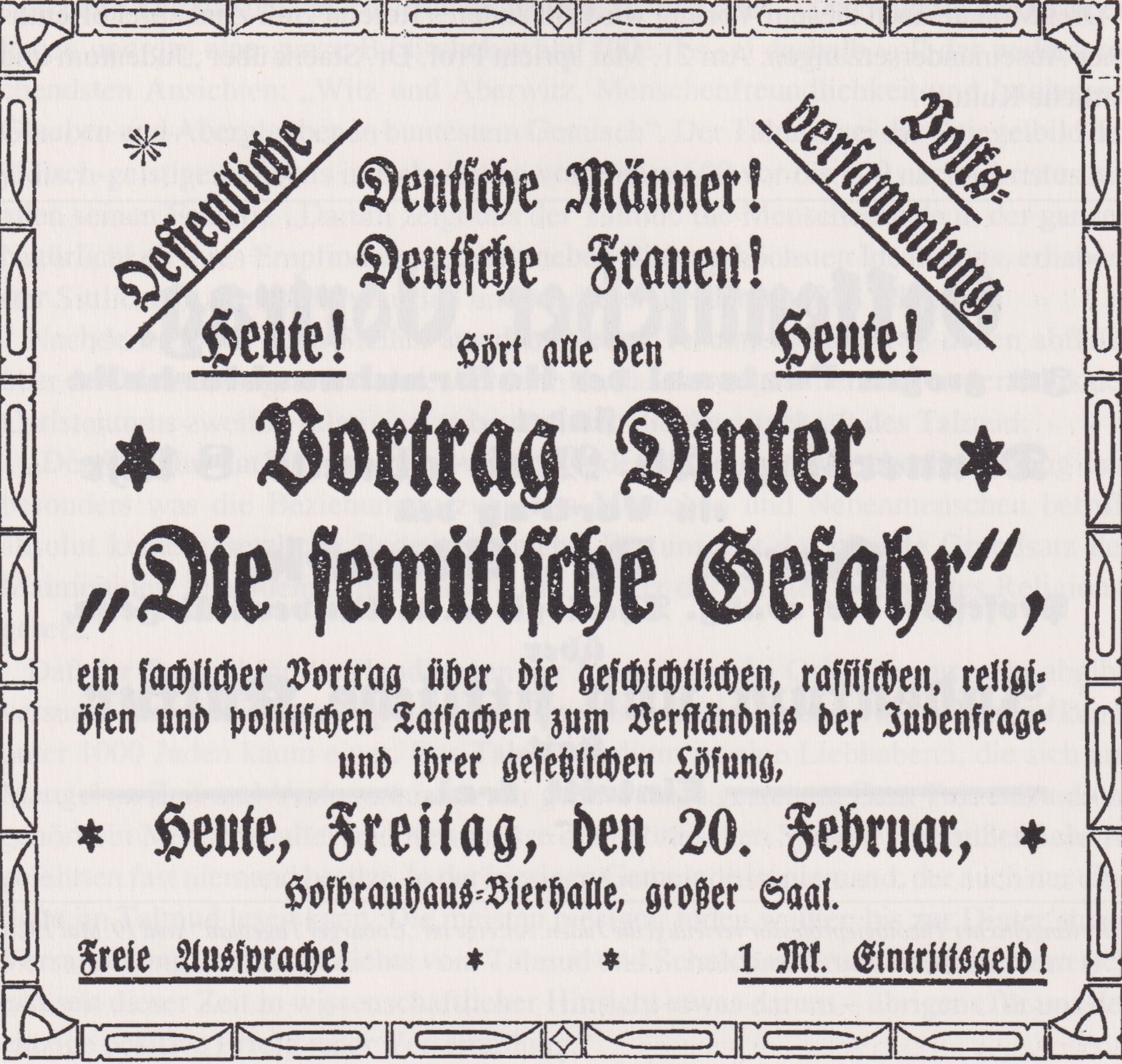
Subsequently, early municipal elections were held, in which the Nazi Party gained an absolute majority. When the Nazis came to power attacks on Jews and their property increased sharply. Jewish property was vandalised and individuals were physically assaulted. At the same time, the town council passed the first harassing resolutions against the Jewish population. As early as 1929, they imposed a department store tax on Jewish department stores. In 1930, ritual slaughtering (shechita) was banned. Efforts were also underway to make the Coburg State Theatre “free of Jews”. The town eventually cancelled the Jewish community's rental agreement for the Nikolaus Chapel in 1932. Although legal action was taken and some rulings were made in favour of the Jewish plaintiffs, these efforts had little impact on the overall success of the Nazis.
When Hitler came to power, the physical attacks escalated further. In March 1933, 39 Jews were placed in “protective custody” by so-called “emergency policemen” and taken to the city police building in Rosengasse, where they were brutally beaten by SA members in the “Prügelstube” (beating parlour). A legal investigation into the events did not take place until 1951.
The Nazis aimed to remove Jews from public and economic life. This started with the children, who were gradually excluded from state schools. A private boarding house was established for these pupils in 1934 by the preacher Simon Oppenheim. In the economic sector, the Nazi Party’s hatred was initially directed at Jewish-owned department stores, which were boycotted, closed and dissolved by 1936. Due to political pressure, fewer and fewer “Aryan” customers frequented Jewish businesses, causing the owners to lose their economic basis. Many were forced to sell their homes below market value. This development also affected the livestock trade, which Jews were no longer allowed to carry out from 1935. In 1938, the Reich issued a blanket trade ban for all Jews, resulting in the closure of Jewish-owned businesses by 1939.
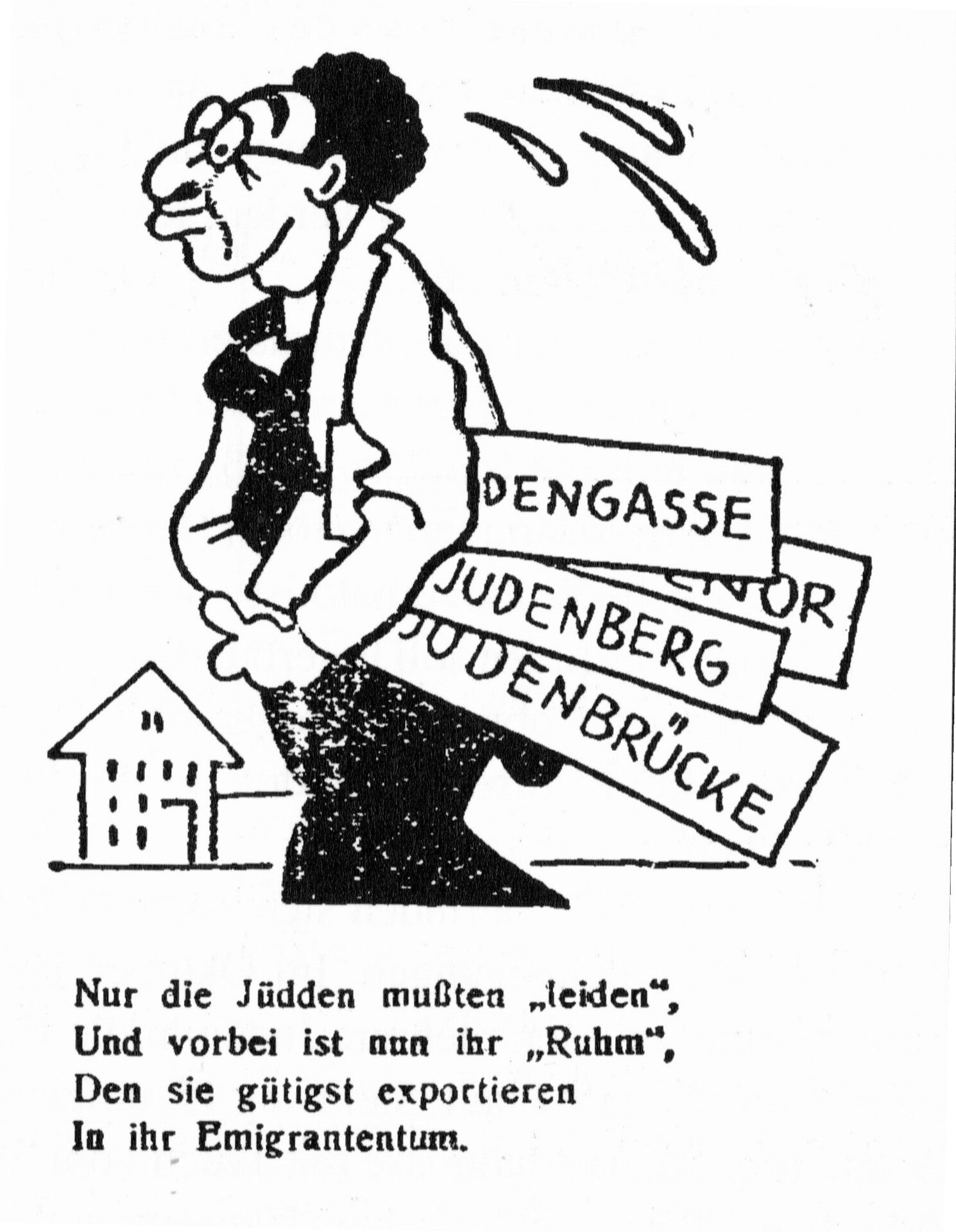
Meanwhile, the anti-Jewish laws enacted by the Nazis showed their increasingly disastrous effects. As early as 1933, most Jewish doctors and lawyers lost their licences. Those who retained them were permanently banned from practising medicine or law by 1938/39. The Nuremberg Race Laws of 1935 illustrated the growing marginalisation of Jews, particularly by prohibiting relationships between Jews and “Aryans”. Two Coburg Jews who violated these laws were sentenced to prison and hard labour in 1936 and 1937.
During and after the Kristallnacht pogrom of 1938, Coburg’s Jewish community endured a renewed wave of brutal violence. One person was killed, and Hermann Hirsch’s school and its associated prayer room, established in 1933, were destroyed. All Jews were driven through the town and pilloried on the market square. Thirty-five were arrested and 16 were detained for several weeks. A month earlier, Siegfried Kohn had probably been the first Jew from Coburg to be murdered by a Nazi fanatic.
Due to the prevailing anti-Semitism, many Jews left Coburg after 1925. The peak of the flight occurred in 1933/34, when 60 people fled the town. By 1939, only 65 Jews remained. They were confined to one of five so-called “Jewish” or “ghetto houses”, where they were forced to live in inhumane conditions. Starting in November 1941, 36 Jews from Coburg were deported to ghettos and concentration camps. Only two survived the Holocaust. Four Jewish women were spared deportation because they were married to “Aryan” men. By September 1942, the Jewish community of Coburg had been annihilated. A new Jewish community was not re-established in the long term.
Next station
In 1805, the Simon family settled in Coburg. Despite harassment, they built a business empire — only to lose it all in 1891 after bankruptcy.
About the Path of remembrance
The “Jewish Life in Coburg” path of remembrance commemorates Coburg's Jewish community in 14 stations. The stations cover the period from the integration of Jews into Coburg society in the mid-19th century to their extermination after the Nazis seized power.
Jewish residents of Coburg were part of the city community for many decades. Under National Socialist rule, the Jewish community and its members in Coburg were wiped out. They had to flee or were murdered. It is our responsibility to keep the memory of their work and suffering alive in the city of Coburg.
The city council of Coburg therefore decided in 2023 to commemorate Jewish life in Coburg with a path of remembrance. The path of remembrance was officially inaugurated on July 31, 2025.