
Sprache | Language | בחירת שפה
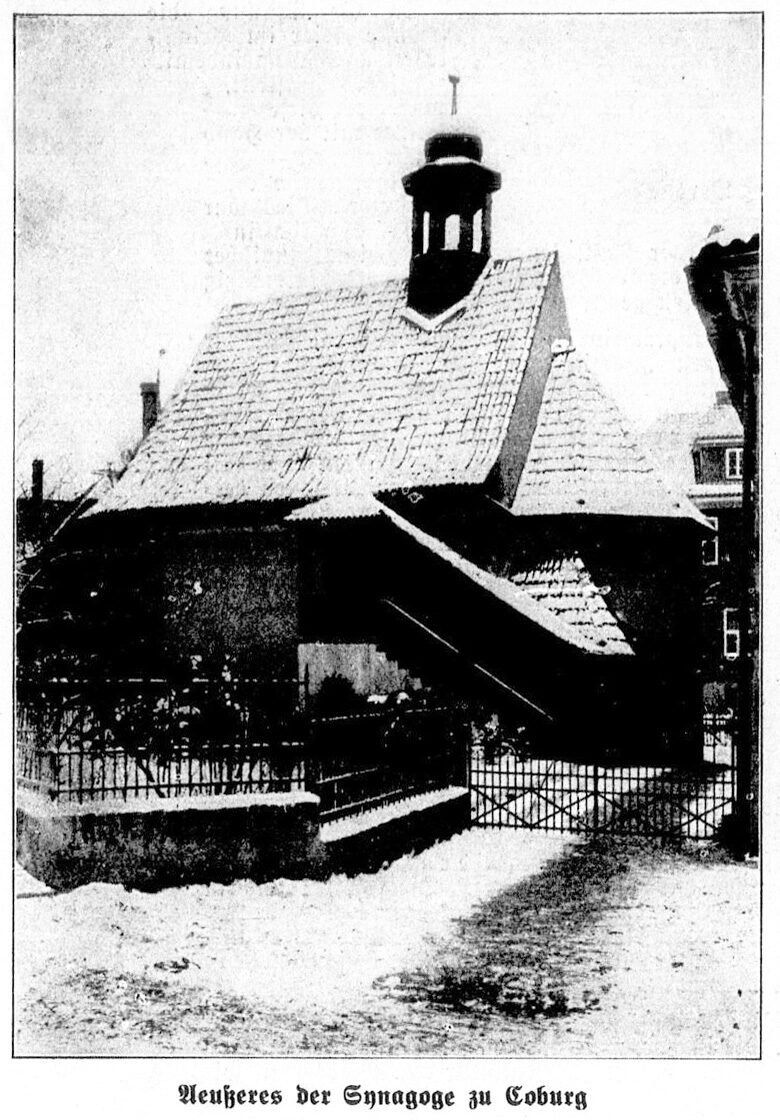
This building served as the Synagogue for the Coburg Jewish Community from 1873 until 1932. Chaired by Dr. Israel Masur, eleven Jewish men organized the community in early 1873 “in order to acquire a cemetery and a place for religious services”.
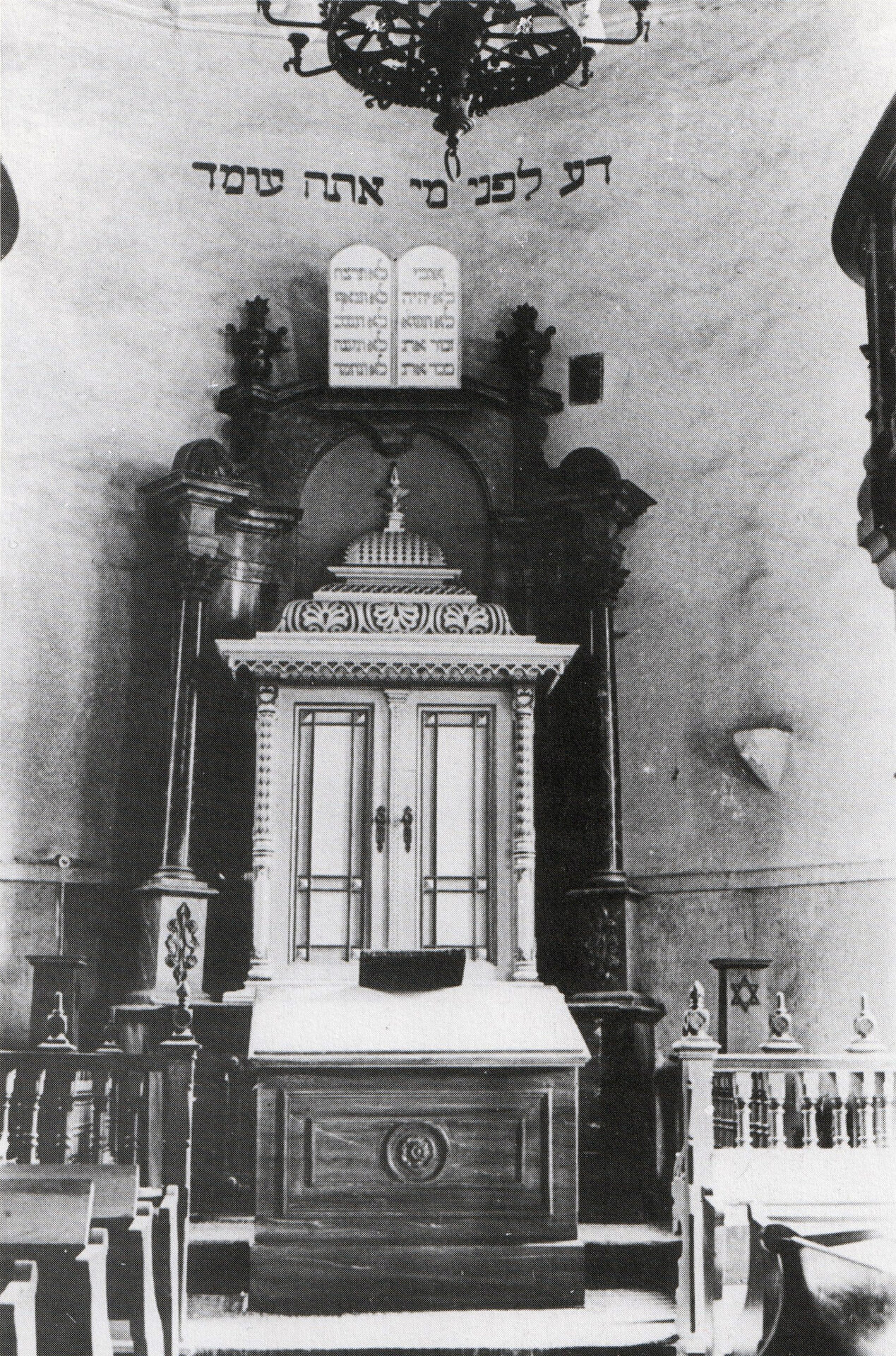
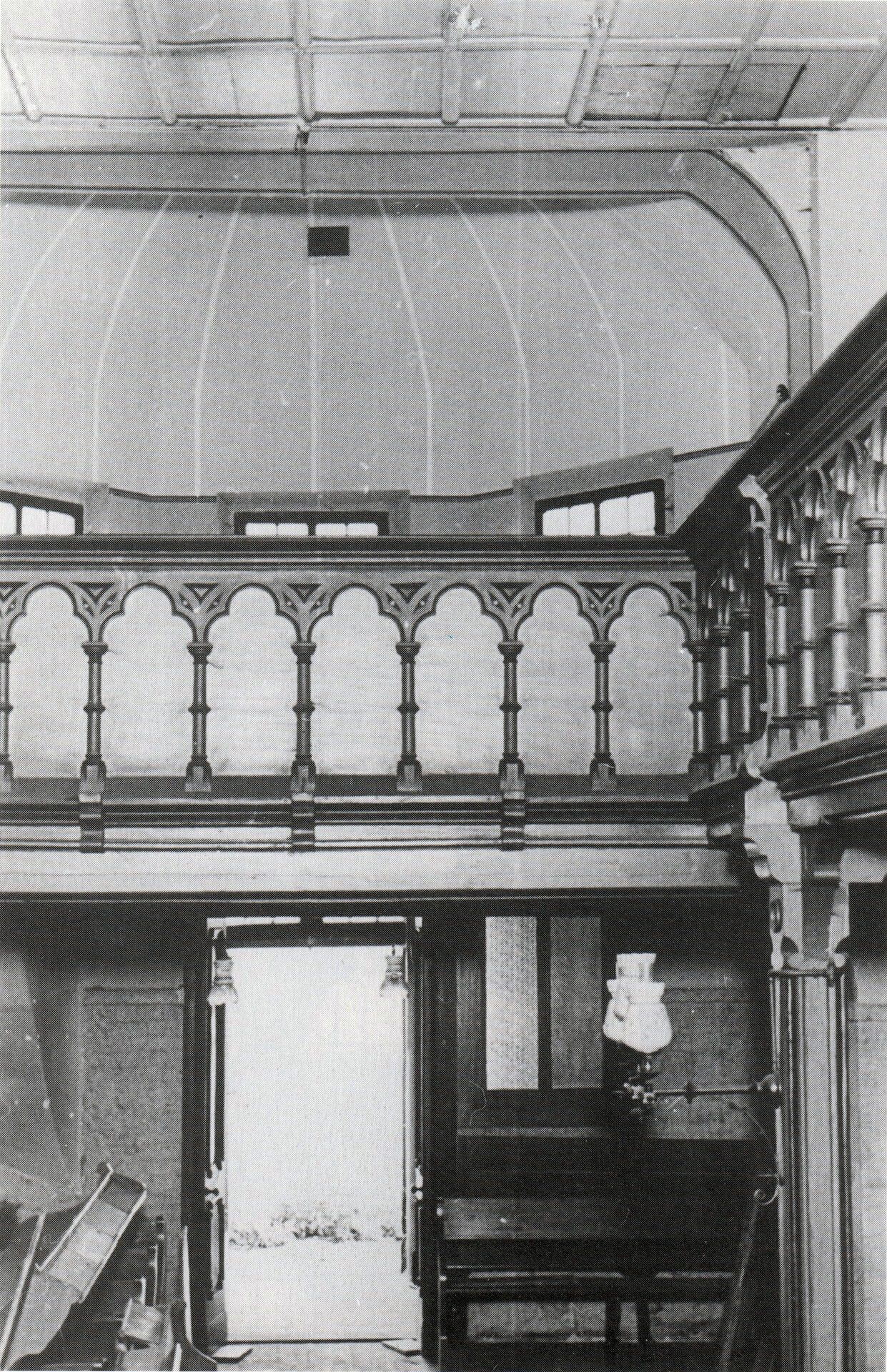
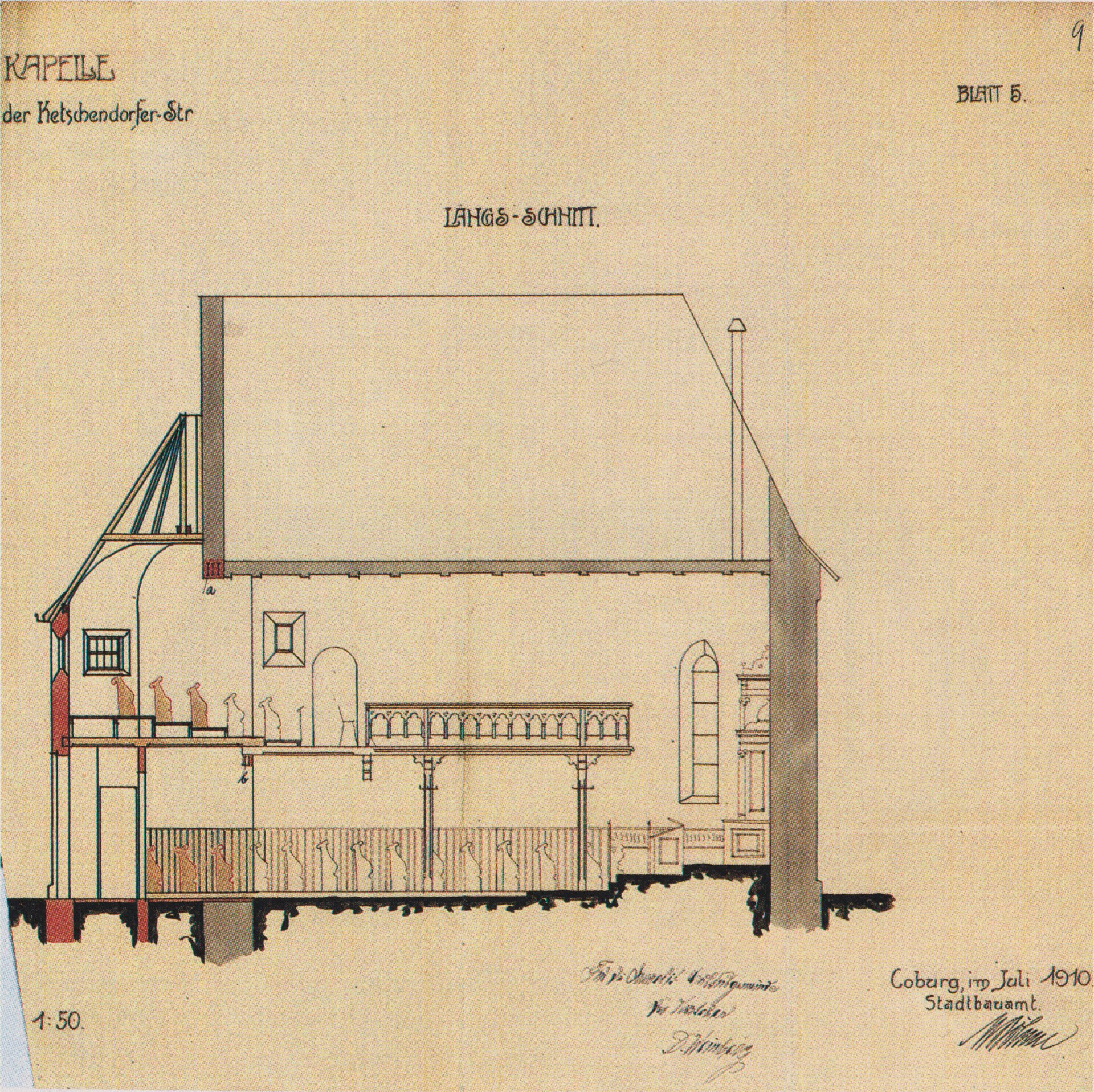
First used as a Protestant and then a Catholic church, the building was unused for some years when it was dedicated as a Synagogue on Rosh Hashana (Jewish New Year) 1873. The Jewish community paid for building maintenance and operations. Simon Oppenheim served as the religious studies teacher, prayer leader, and preacher from 1873–1914. Hermann Hirsch took over that role, serving from 1914–1932. When Preacher Hirsch served as a military chaplain during the Great War, Preacher Oppenheim returned to Coburg to lead services until Preacher Hirsch returned in 1917. The role of Chairperson of the Jewish Community passed from Dr. Israel Masur to his son Dr. Alfred Masur in 1911.
Since separate seating for men and women was customary in European Synagogues, the Coburg Jewish community, with permission from the city, added the balcony and its external stairway to create a separate gallery for women. In 1910, the municipal building authority added a vestibule, above the entrance of which the Bible verse “This is the gate of the LORD” (Psalm 118:20) was inscribed.
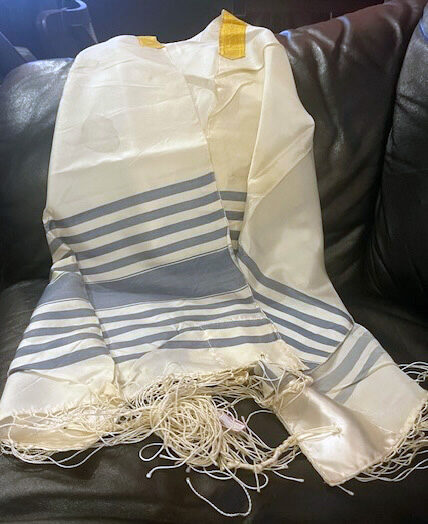
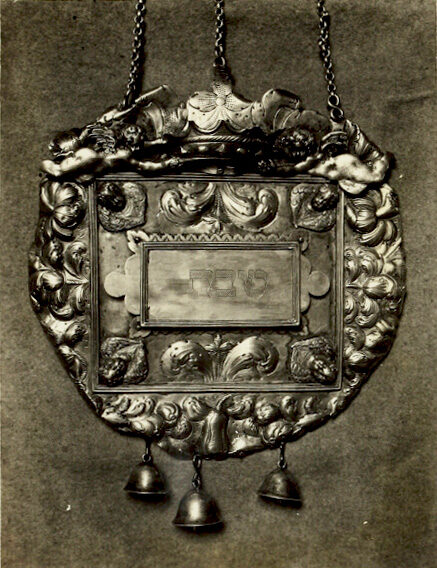
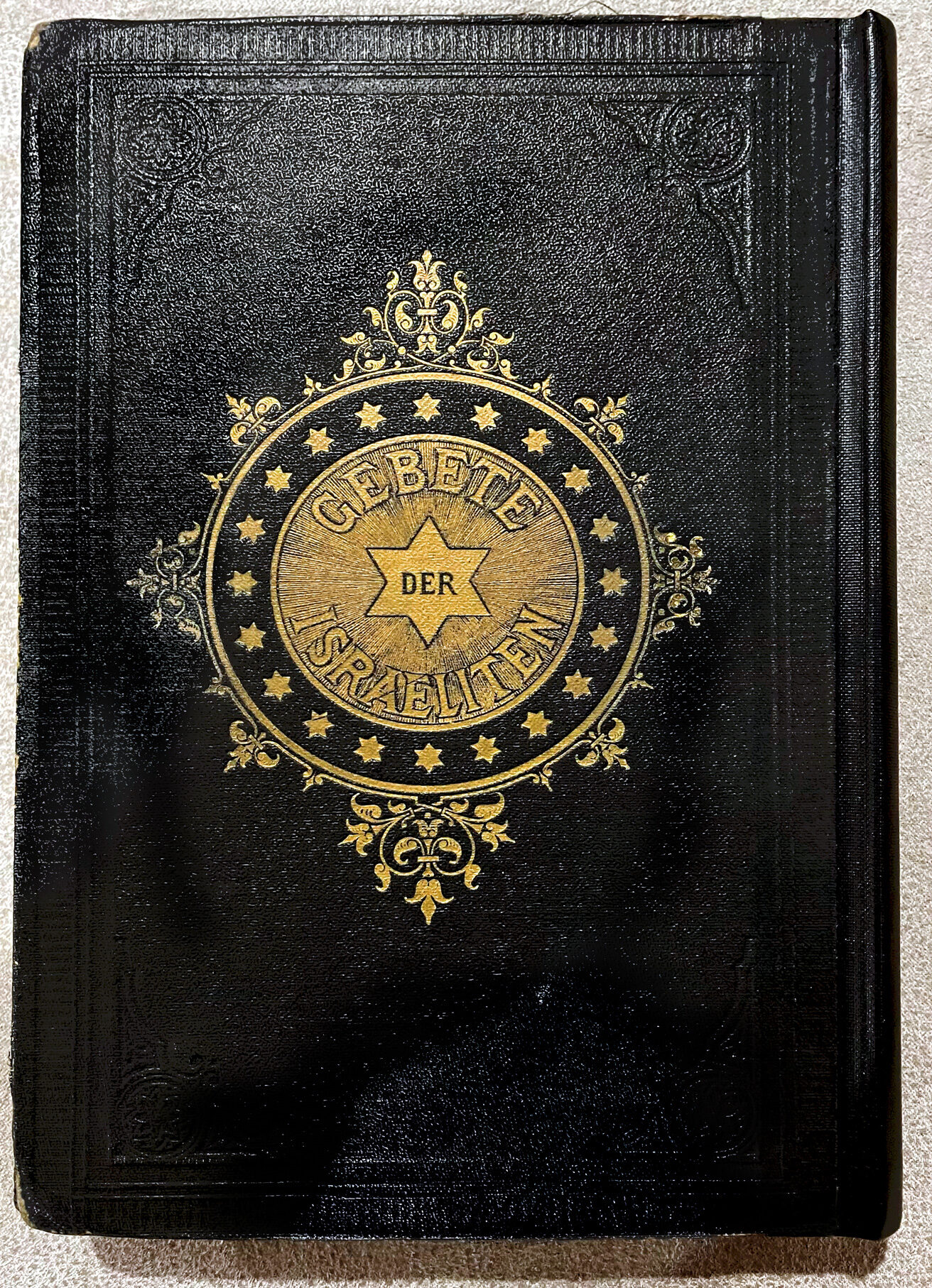
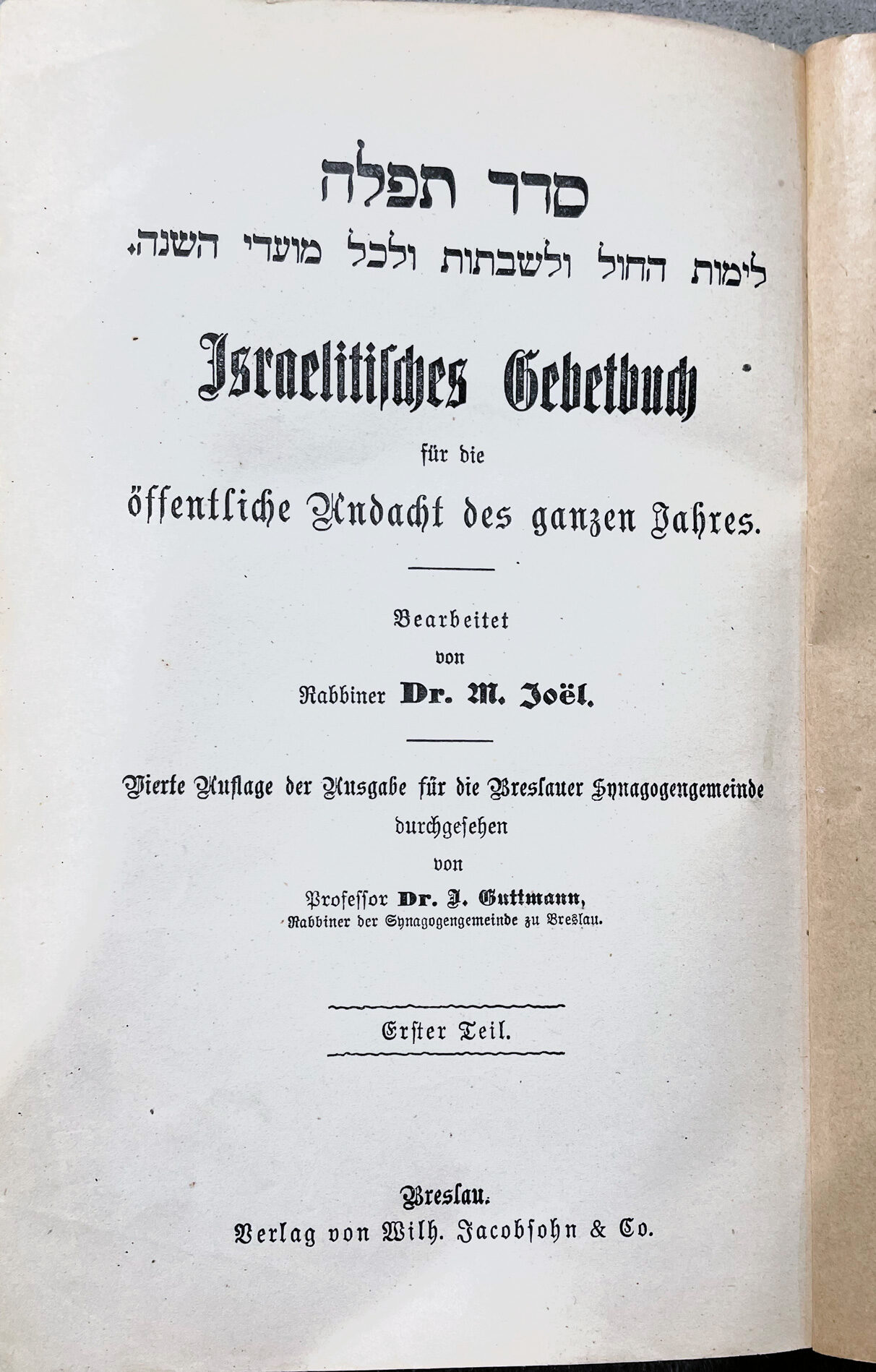
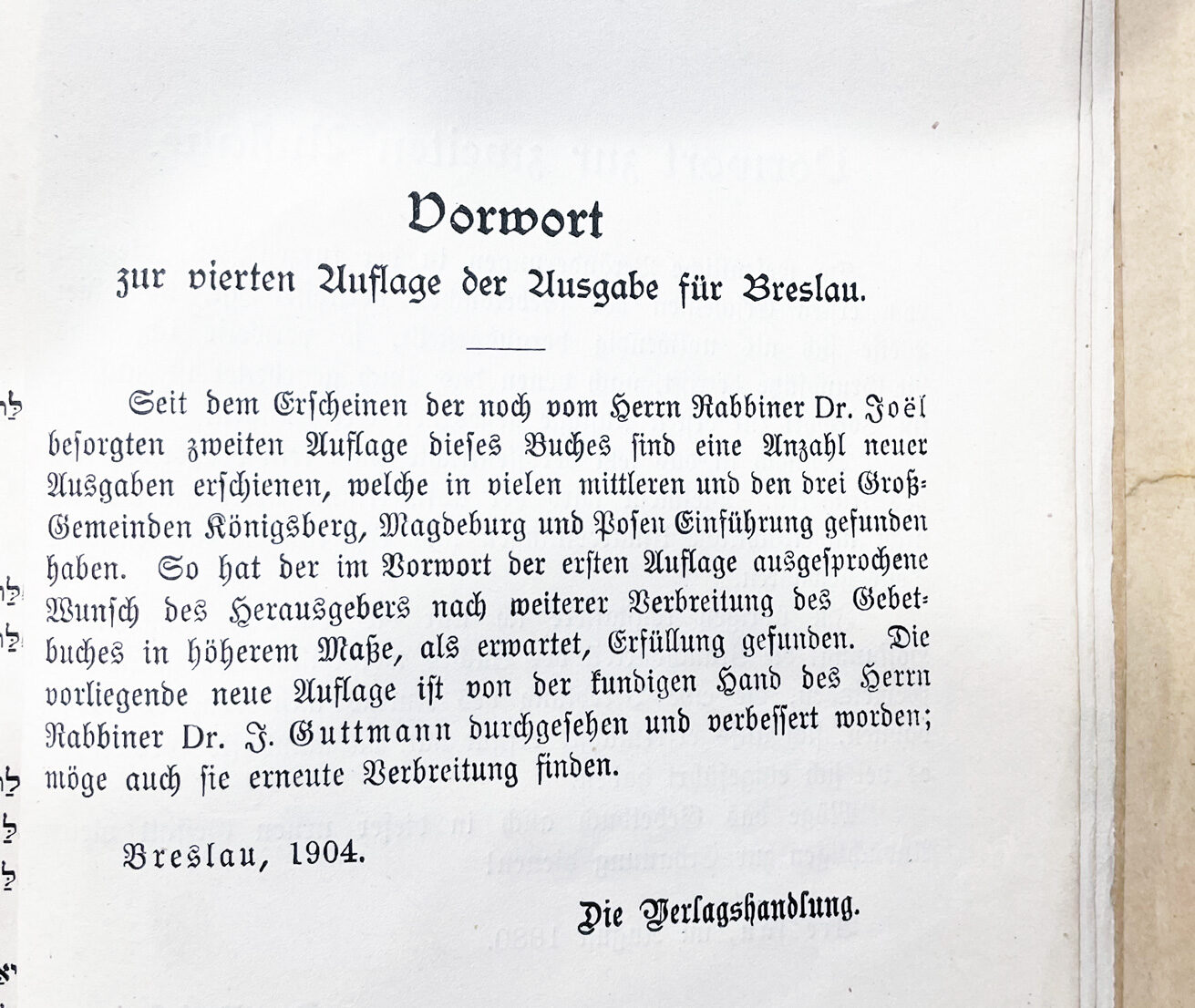
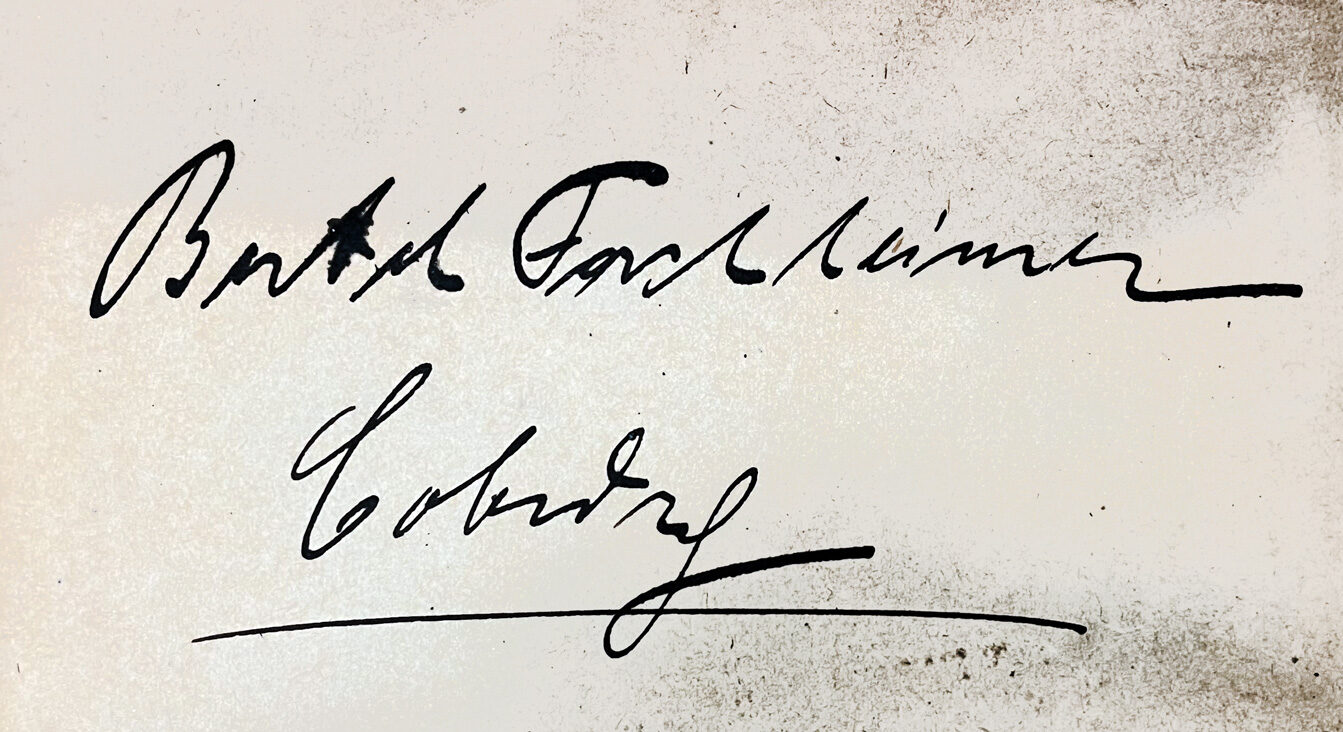
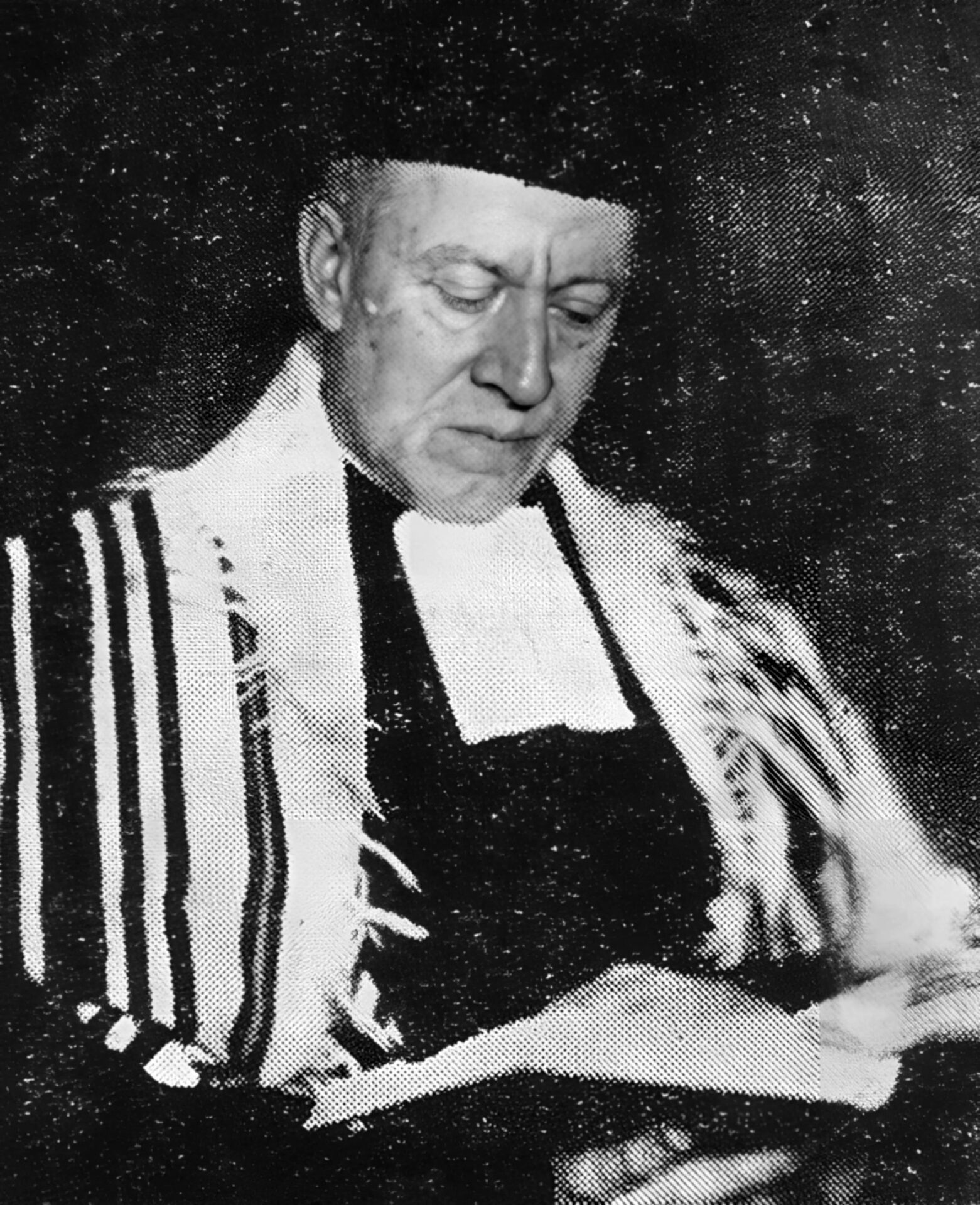
All Sabbath (Shabbat) and holiday services took place in this building. The congregation met for evening and morning services and for both days of the festivals. A typical service opened with recitations of Psalms, followed by prayers, a reading from the Torah scroll, a reading from the prophets, and then additional prayers. During the service, the Preacher also gave a sermon. Many congregants owned their own prayer books (Siddurim) and prayer shawls (Tallesim). These items were frequently given to young men at their Bar Mitzvahs (coming-of-age ceremony for boys at age 13). The Tallis in the photo was worn in this building by Horst Plessner at his Bar Mitzvah in 1928.
Permission for the Jewish community to use this building was revoked in 1932 and Jewish religious services moved to the Hirsch home.
In addition to his duties at the synagogue, Preacher Hirsch directed a boarding school for Jewish boys from 1917–1935, when the school was converted into a Jewish non-residential school following the expulsion of Coburg’s Jewish children from public school due to the Nuremburg Laws. Preacher Hirsch kept the Jewish dietary laws in his home and school and built a Sukkah, a small hut with a roof of branches and leaves used in celebrating the fall festival of Sukkot, that he made available for community use.
In 1925, the Coburg Jewish community numbered 316 people. A majority NDSAP (Nazi) city council was elected in 1927. By 1933, 233 Jews remained in Coburg, and by 1936, only 161. With a shrinking community, we must assume that the frequency of religious activity was also reduced. Both the Jewish school and religious services ended with the attacks on Reichspogromnacht, November 9–10, 1938.
Next station
From 1895, Jewish lawyers shaped Coburg’s legal life. The Nazi regime ended this: they were stripped of rights, barred from work, and faced persecution.
About the Path of remembrance
The “Jewish Life in Coburg” path of remembrance commemorates Coburg's Jewish community in 14 stations. The stations cover the period from the integration of Jews into Coburg society in the mid-19th century to their extermination after the Nazis seized power.
Jewish residents of Coburg were part of the city community for many decades. Under National Socialist rule, the Jewish community and its members in Coburg were wiped out. They had to flee or were murdered. It is our responsibility to keep the memory of their work and suffering alive in the city of Coburg.
The city council of Coburg therefore decided in 2023 to commemorate Jewish life in Coburg with a path of remembrance. The path of remembrance was officially inaugurated on July 31, 2025.